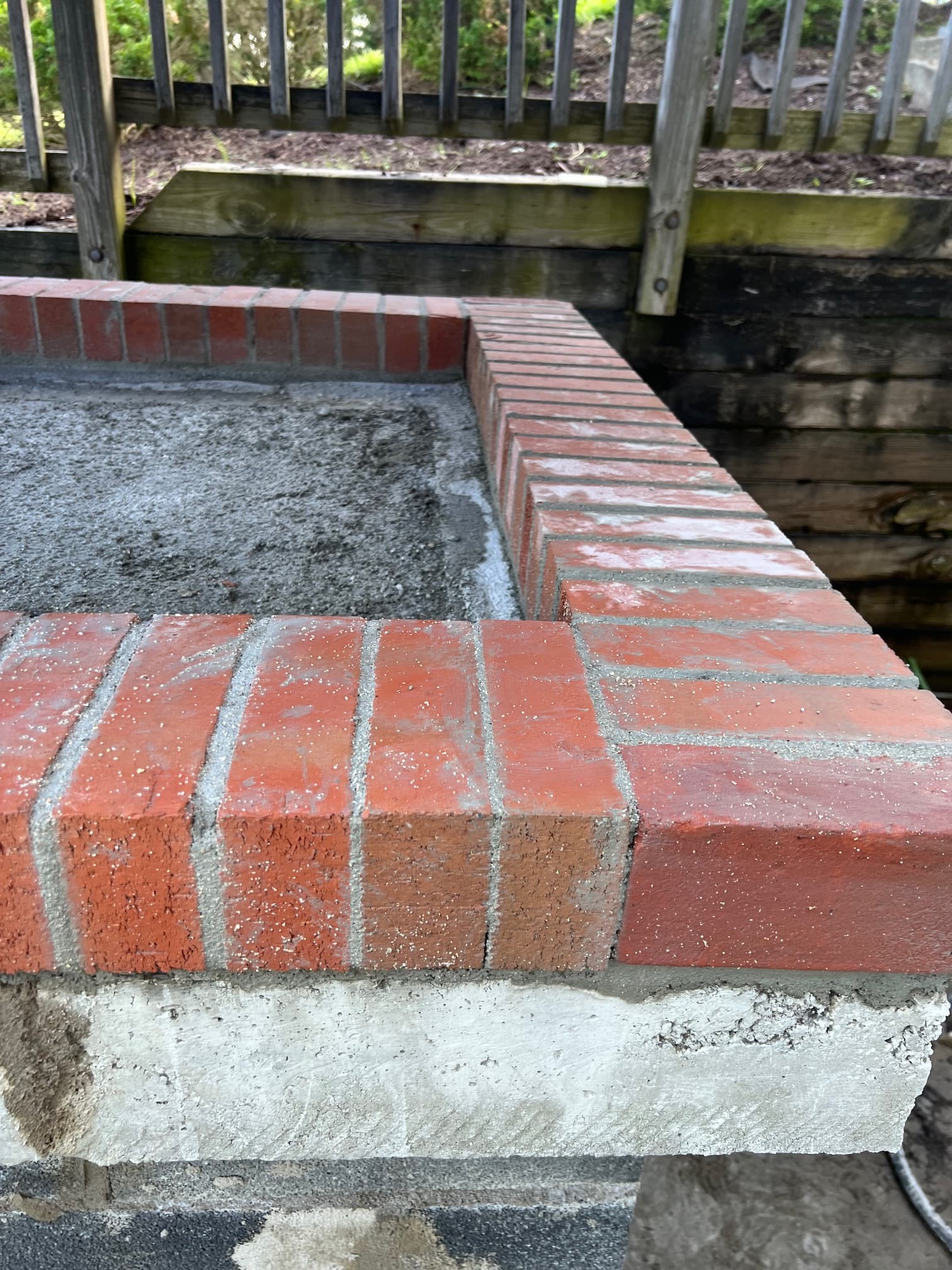
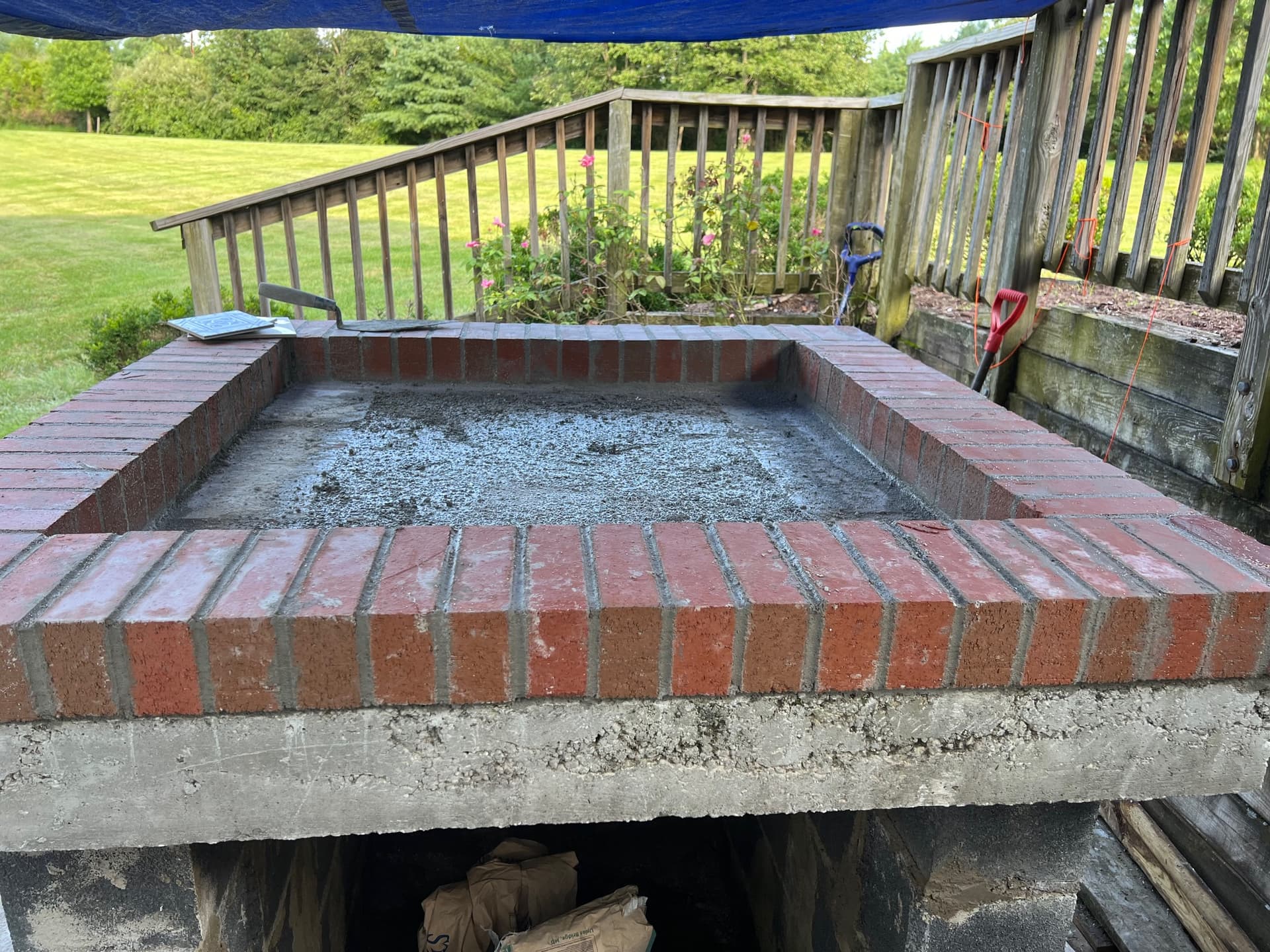
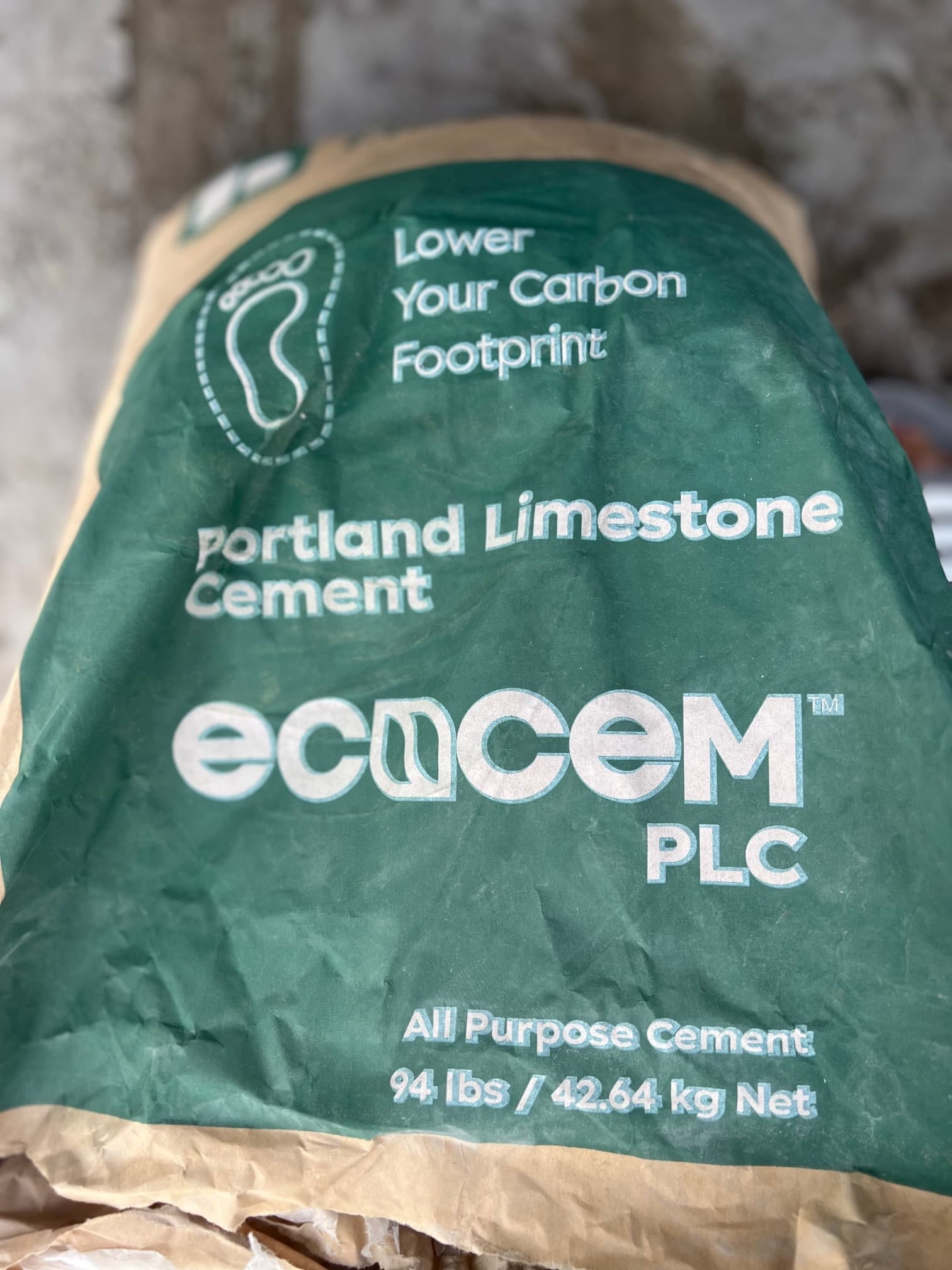
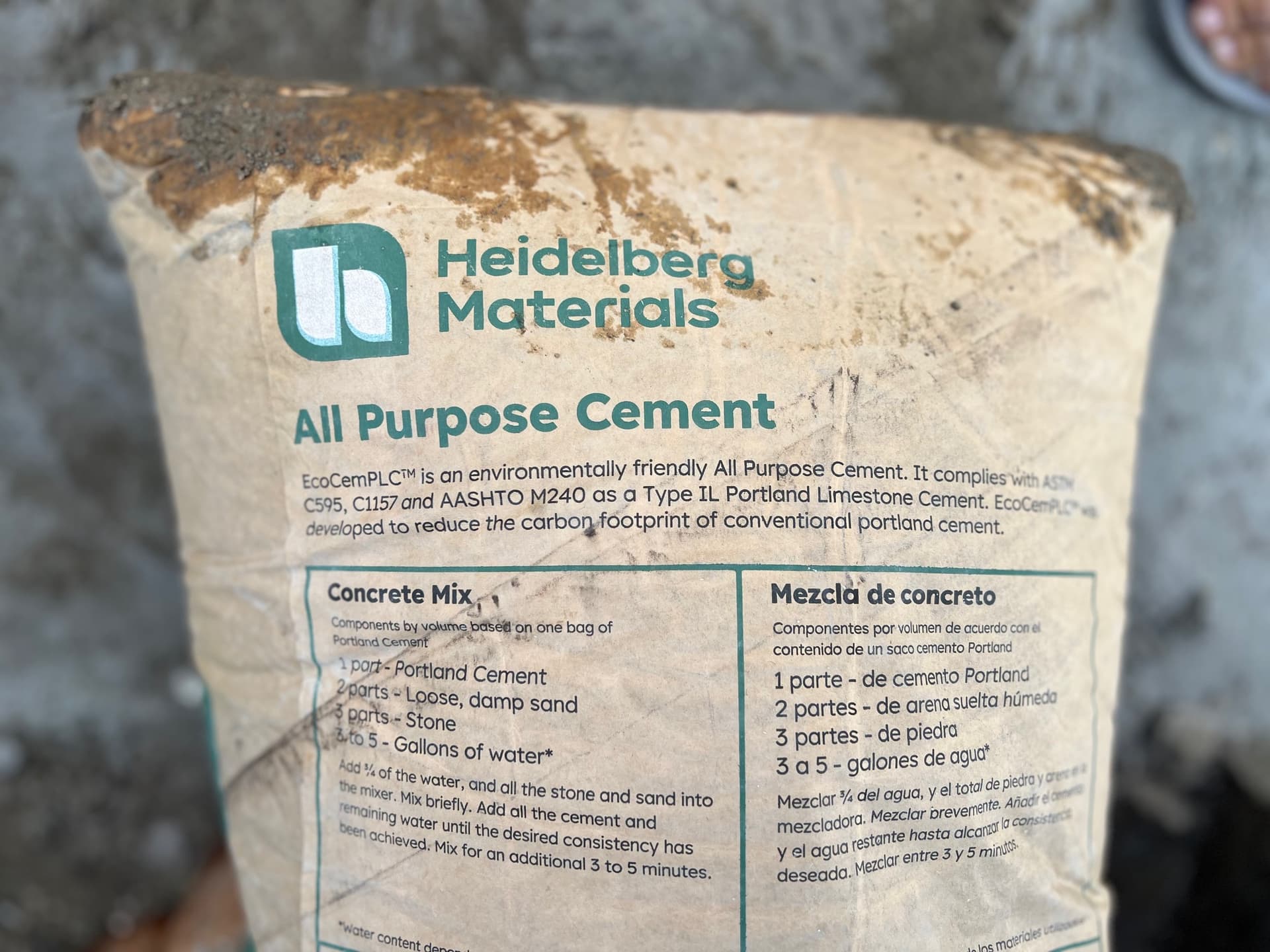
I saw in a previous post not to use Portland Cement that has Lime mixed in for high temp mortar. I have just finished the base and not started the top yet but the local masonry supply store only had the EcoCemPLC Type 1L Portland Cement (see attached picture of the bag)
and it says it has a higher concentration of lime - will this cement work ok for the red brick border on top of the slab and more importantly can I use the same cement for the oven firebricks?
If I cannot or should not use the Heidleberg EcoCem PLC Type 1L, then I’d like to know the correct spec on the portland cement to use for the oven firebricks. The Lowes near my house shows these other two products also and I’d like to know which one to get?
- Portland Cement - QUIKRETE Commercial Grade - Type I. 92.5lb bag. Mfr Product # 112494. Lowes SKU: 10352.
- SAKRETE Portland Cement Type I/II - 94 lb bag. Mfr Product #: 014127 Lowes SKU:10352
Welcome to the BrickWood forum, and looks like so far, so good!
As you’ve already learned, the “L” in the Type 1L cement stands for “Lime”.
I checked both of the products you asked about, and either would be fine. The key is that you want the cement itself, without other ingredients pre-mixed into it. You are using this as part of a recipe, so you don’t want to be adding in other ingredients that are along for the ride because it will throw off the proportions specified in the recipe.
(By the way, that’s exactly how to make the best pizza. For a classic Neapolitan crust, there’s exactly four ingredients: flour, water, salt, and yeast. If you’re going for that, or any other kind of crust, you don’t want to be starting with Jiffy Mix!)
Turns out the Lowes did not have the Type ! cement after all - they showed 1 bag in stock on their website but when I went to the store the only kind available was the 1L. I learned subsequently that Type 1 has been replaced by Type 1L now by almost all the US manufacturers (climate change) so I had no choice but to use the 1L. I just reduced the amount of hydrated lime by a bit to try to account for the higher Lime content in the 1L. The instructions probably need to be updated since it’s going to be practically impossible to find and buy Type 1 going forward. The oven is now finished and we have done the curing fires and also cooked some fantastic pizza. Can post some pictures to the build process and the finished product if someone can guide me to the right spot to post the pictures.
1 Like
This is likely to be something that @BrickWood wants to look into (which is why I’m tagging him here). The composition of various mortars and cements is always broken down somewhere, whether on the bag or on a technical data sheet from the manufacturer.
I have no doubt your move to reduce hydrated lime as a proportion of your mix was the right one. But if we can’t get Type 1 any more, it would be good to have a correction in the instructions.
Thanks for sharing the info and hope you’re enjoying that pizza!
Thank you both for the update on the lime. I’ll look into the change further and update the directions as needed.
We add lime to our high-temp mortar recipe because it gives our customers (weekend DIYers rather than professional bricklayers) a bit more flexibility when working with the high-temp mortar mix. As you know, lime improves plasticity and helps the mortar retain moisture for a longer working time. Some experienced masons building ovens skip the lime entirely, so I’ll be interested to see how the Type L affects the mix.
As for the gallery photos you mentioned, you can upload all your pictures and videos easily using this simple drag-and-drop file transfer page: Submit Pictures and Videos of your BrickWood Ovens Project
Thank you 
1 Like